
Kings of the Wild Frontier
The time that Buffalo Bill, Texas Jack, and Wild Bill went to see Davy Crockett
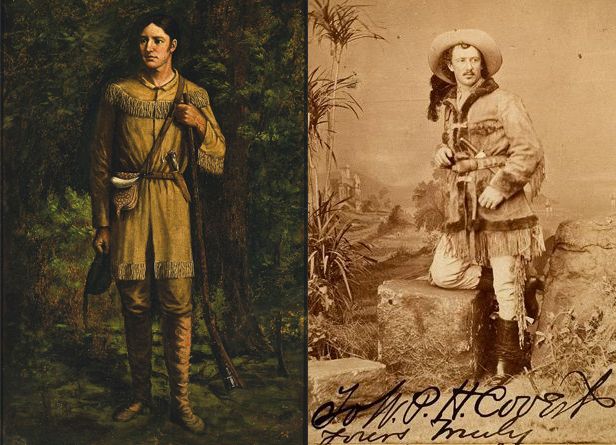
In the crisp winter days of late January 1874, an extraordinary convergence of legends took place in Boston, Massachusetts. Buffalo Bill, Texas Jack, and Wild Bill, already immortalized as The Scouts of the Plains, were staging their play in Cambridge from January 24-27, but found themselves captivated by a different kind of drama. On January 24th, amidst the flurry of their own stardom, they ventured to the Boston Theatre for a matinee performance that would resonate deeply with their own storied lives: the play "Davy Crockett."
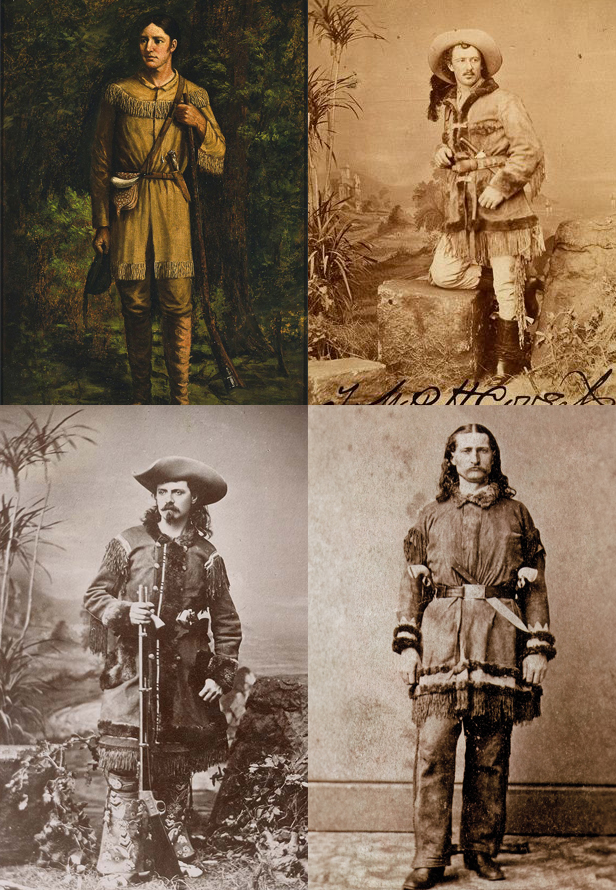
The story of David Crockett, frontiersman and Congressman from Tennessee, echoed the larger-than-life narratives of Cody, Omohundro, and Hickok. Like them, Crockett's real-life exploits were woven into the tapestry of American folklore, elevating him to the status of mythic heroes like Pecos Bill or Paul Bunyan. This wasn't the first time Crockett's life had been dramatized; his legend had long captivated the nation's imagination.
Decades earlier, while Crockett himself was a Congressman, a play titled "The Lion of the West; or, a Trip to Washington," portrayed his adventures under the guise of Nimrod Wildfire. In a serendipitous twist, Crockett found himself in the audience, witnessing his own larger-than-life persona mirrored on stage by actor James Hackett. Their mutual acknowledgment – Crockett in elegant theatre attire, and Hackett in rugged buckskin – bridged the realms of reality and performance, leaving the audience in awe.
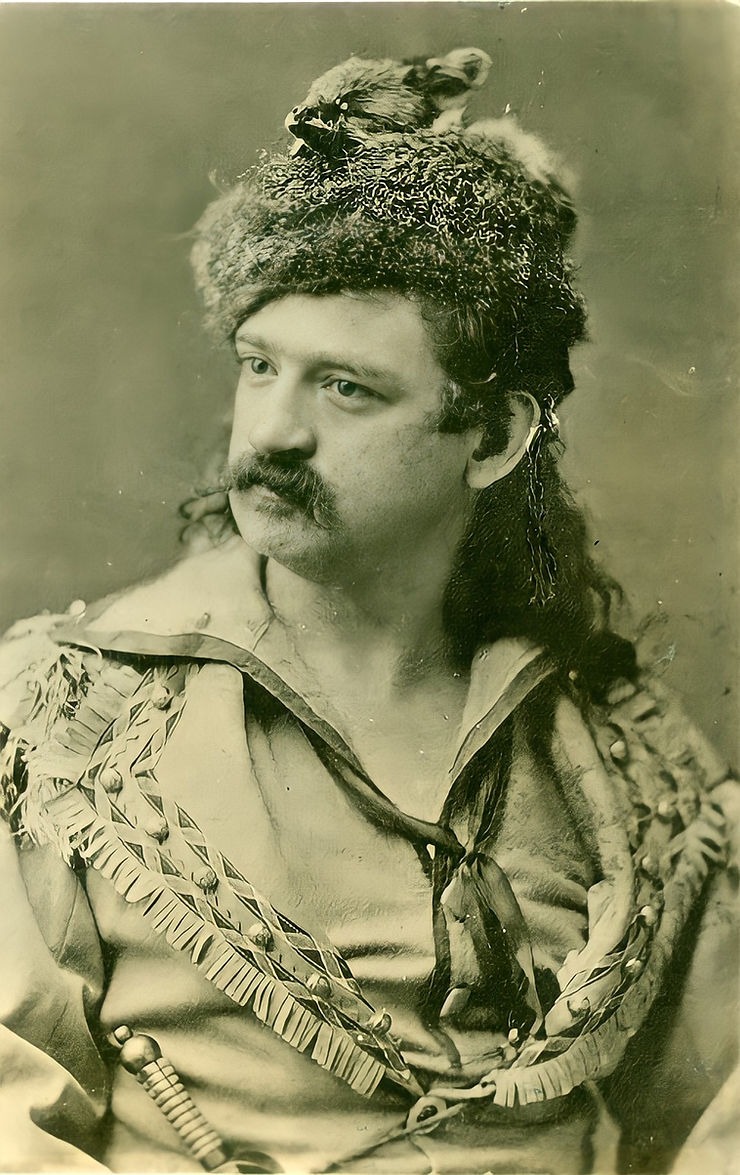
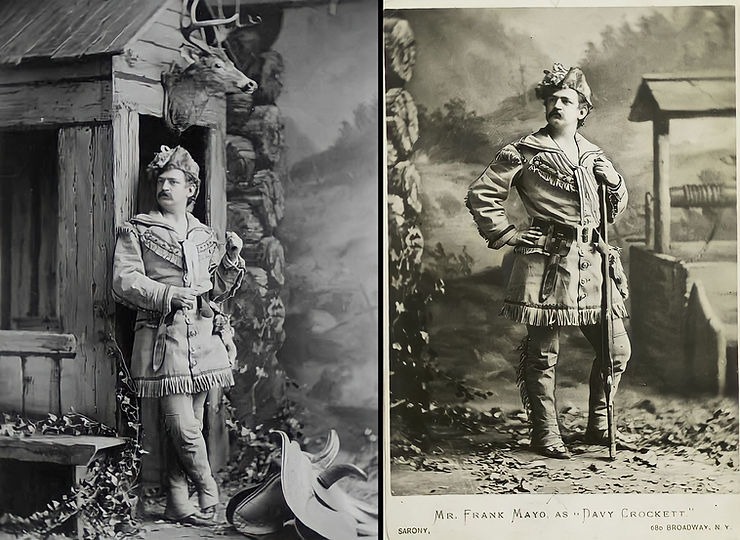
The play Buffalo Bill, Texas Jack, and Wild Bill witnessed, now featuring the captivating Frank Mayo as Crockett, was a spectacle of its own. Mayo's portrayal – a fusion of physical prowess, emotional depth, and theatrical mastery – enthralled audiences, immortalizing him as the quintessential Crockett until actor Fess Parker took up the coonskin cap in the 1950s. Yet, unlike the scouts who played themselves, Mayo was trapped in the shadow of his character, his career forever intertwined with the "King of the Wild Frontier," a role he cherished and lamented in equal measure.
While Hickok eventually grew weary of the stage, returning to the unforgiving realities of the West, Texas Jack and Buffalo Bill continued their theatrical journeys. Texas Jack, alongside his wife, explored diverse roles, from the enigmatic Mohammed in "The French Spy" to other dramatic characters. Buffalo Bill, embracing his alter ego, transitioned from stage to spectacle, creating the legendary Buffalo Bill's Wild West, a show that celebrated and mythologized the American frontier until his last breath in 1917.
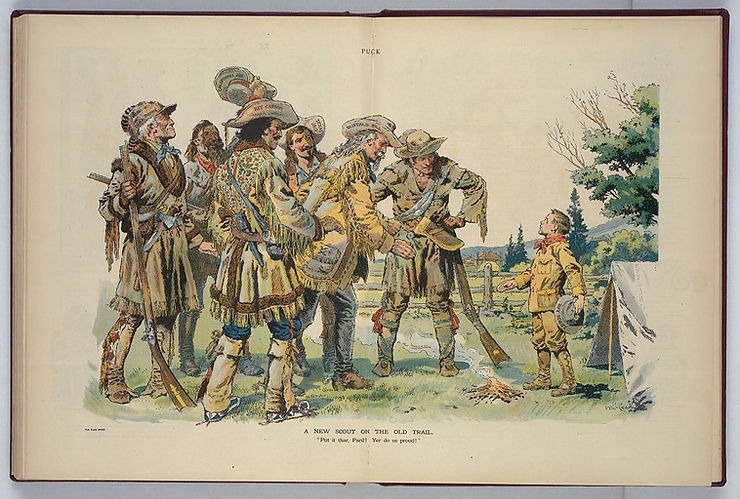
Frank Mayo's journey, intersecting with those of the legendary scouts, ended with a heart attack on a Union Pacific train crossing the vast prairies of Nebraska in 1896 – the very lands that had once been the hunting grounds of Texas Jack and Buffalo Bill. His legacy lived on through his son, Frank Lorimer Mayo, a star in early Hollywood Westerns, continuing the tradition of bringing frontier tales to life.
The enduring allure of Davy Crockett has spanned generations. From Fess Parker's iconic portrayal with his coonskin cap to John Wayne's legendary interpretation and Billy Bob Thornton's recent embodiment, each actor has added a layer to the Crockett legend. This enduring fascination reflects a deep-seated connection to the frontier spirit that Crockett, along with Cody, Omohundro, and Hickok, symbolize – a spirit etched indelibly into the American psyche, as relevant today as it was in the playhouses of the 19th century and the movie theaters and living rooms of the 20th and 21st centuries.
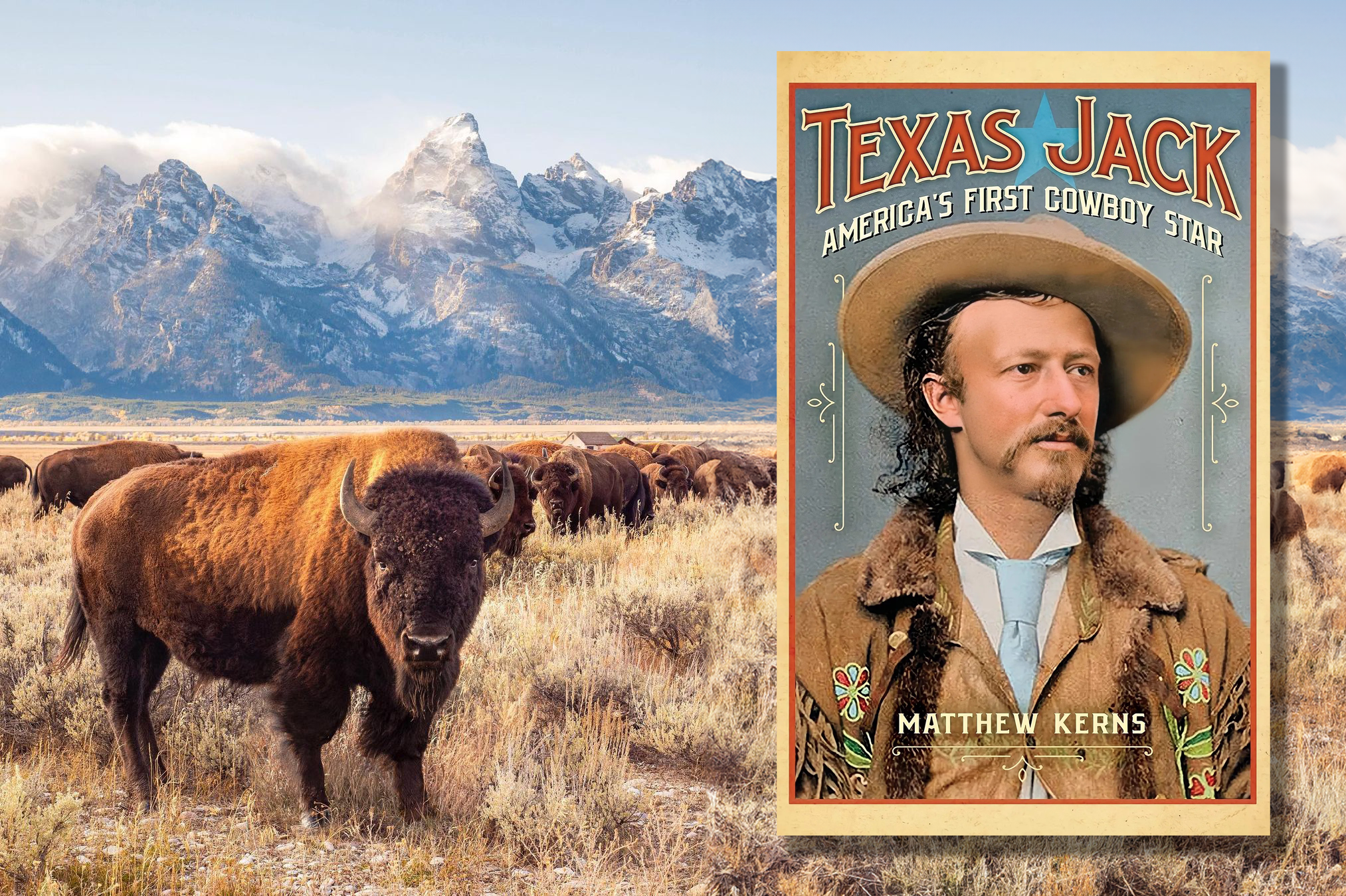
https://amzn.to/3SAmmtC