Sitting Bull & Wounded Knee
Buffalo Bill, the Lakota, and the Ghost Dance: A Collision of Performance, Resistance, and Survival
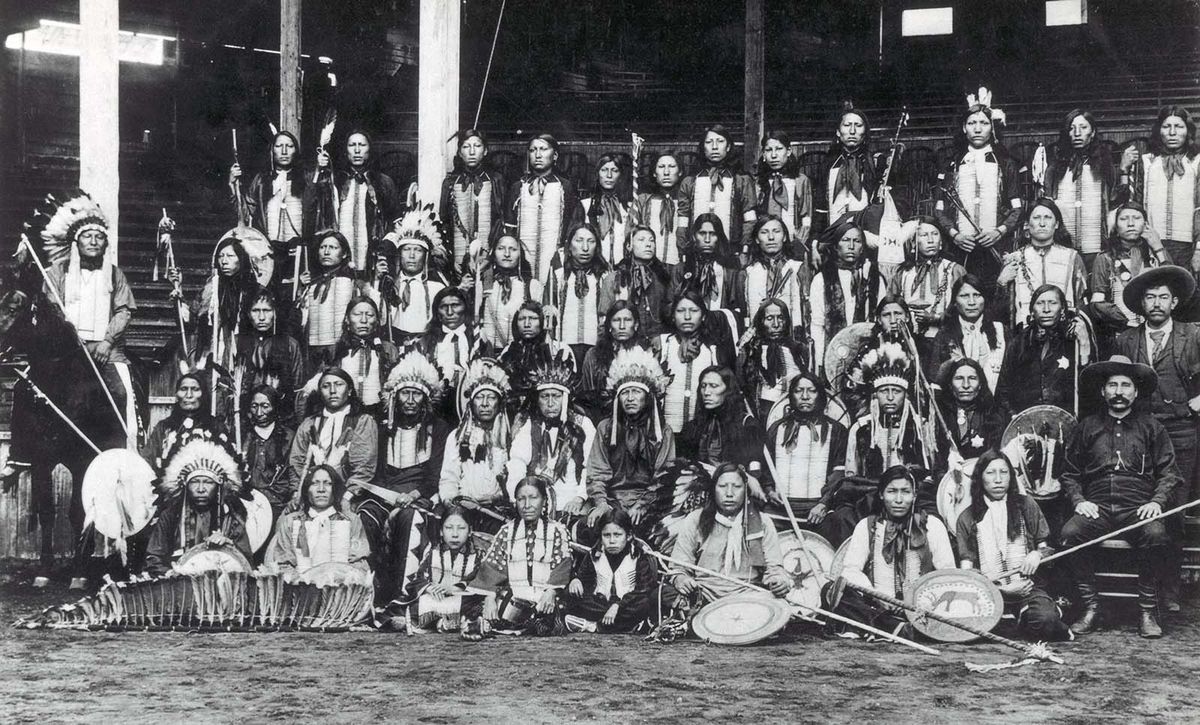
Buffalo Bill’s Wild West presented itself, both in Europe and in America, as an authentic historical exhibition, showing the “Drama of Civilization” as it unfolded in the frontier West. Central to this story, and to the Wild West, were the show’s Lakota performers. This was Bill Cody’s show, and he was its star--but the Indians were its most crucial element. Spectators watched the Lakota in mock combat with cowboys during the show, but they also visited the Sioux teepees on the show grounds, seeing how these men, women, and children lived as families. In many ways, the spectacle of the Wild West was matched in the estimation of visitors only by the experience of seeing and meeting Lakota people in person.
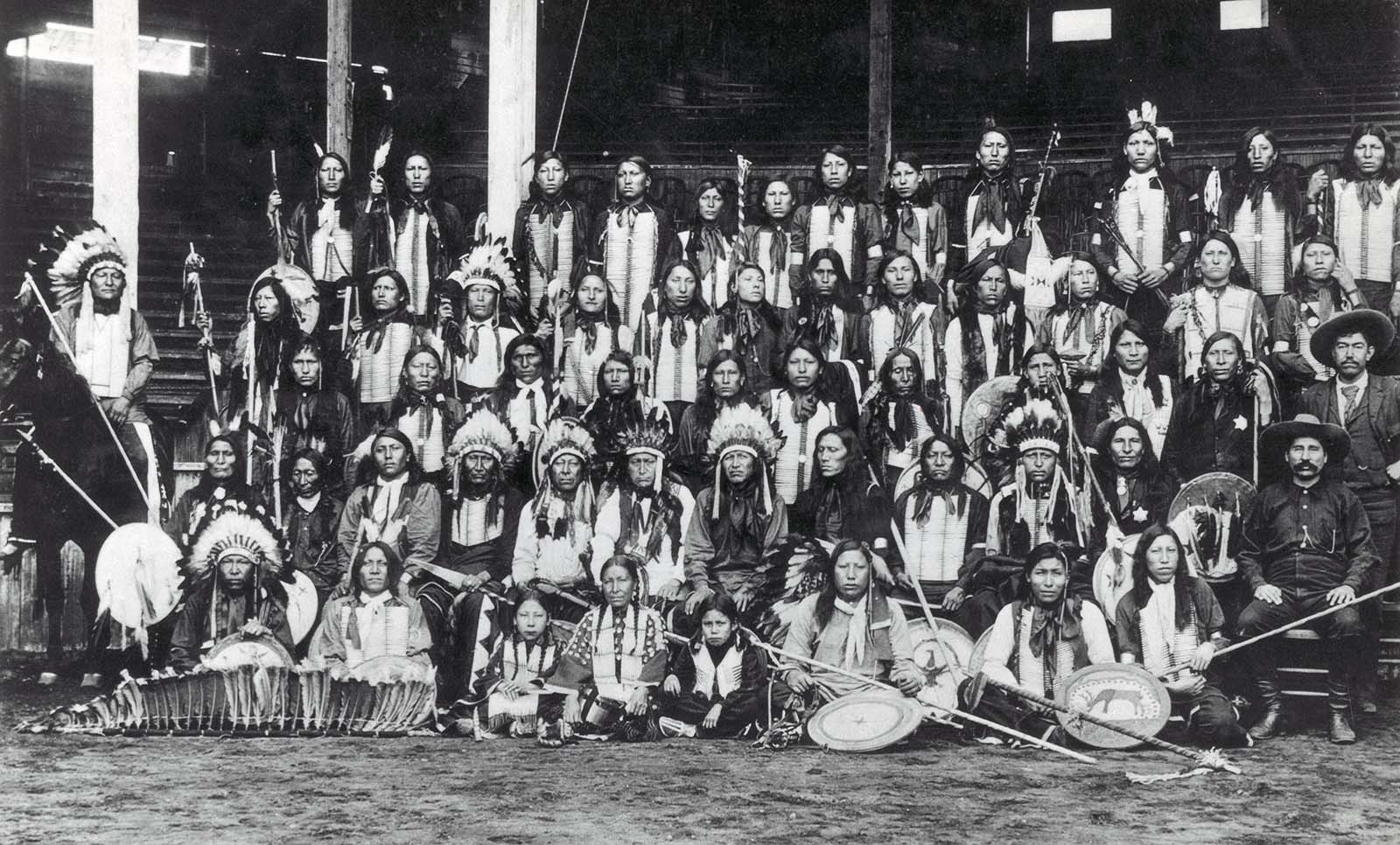
The Lakota performers in the Wild West were well treated. In 1889, the Wild West paid out $28,800 to its Lakota performers. The Lakota men in the show were paid $10 per month, but Cody hired their wives as well at the same rate, with small cash allowances made for children. At a time when Native people had very few economic opportunities, the show provided them both a chance at relative wealth and an opportunity to practice and protect their religious ceremonies, songs, and dances in a way that was increasingly prohibited at home.
In 1887, the United States government passed the Dawes Act, taking communally held tribal lands and assigning them instead to individual families in 320-acre plots. In March of 1889 the United States government broke the Fort Laramie Treaty of 1868 with the Lakota, breaking the Great Sioux Reservation into five smaller reservations. And in February of 1890, while the Lakota performers with the Wild West were entertaining crowds and the Pope alike in Rome, the federal government opened 9 million acres, or half of the former Great Sioux Reservation, for public purchase for the purposes of ranching and homesteading. Just after this, Congress cut its funding for the Sioux by 10%. One million fewer pounds of beef than promised were sent to the Pine Ridge Reservation. Influenza raged through the reservation, as did whooping cough and measles, literally decimating the Lakota population. There were 5,500 people on the Pine Ridge Reservation in 1890, and 540 deaths.
Then came the Ghost Dance.
Rooted in a vision received by a Paiute prophet named Wovoka, the Ghost Dance prophesied the return of the ancestors and the retreat of the white colonizers, restoring the land to indigenous people. Participants in the Ghost Dance believed that through the dance, they could bring about this vision of renewal, regaining their lost traditions and way of life. The movement's rituals, which included singing and dancing in a circular pattern, were seen as a way to purify oneself and unite with the spirit world. To U.S. government officials and settlers flocking to take over land taken from the Sioux, however, the Ghost Dance seemed like a call to rebellion and was perceived as a threat.
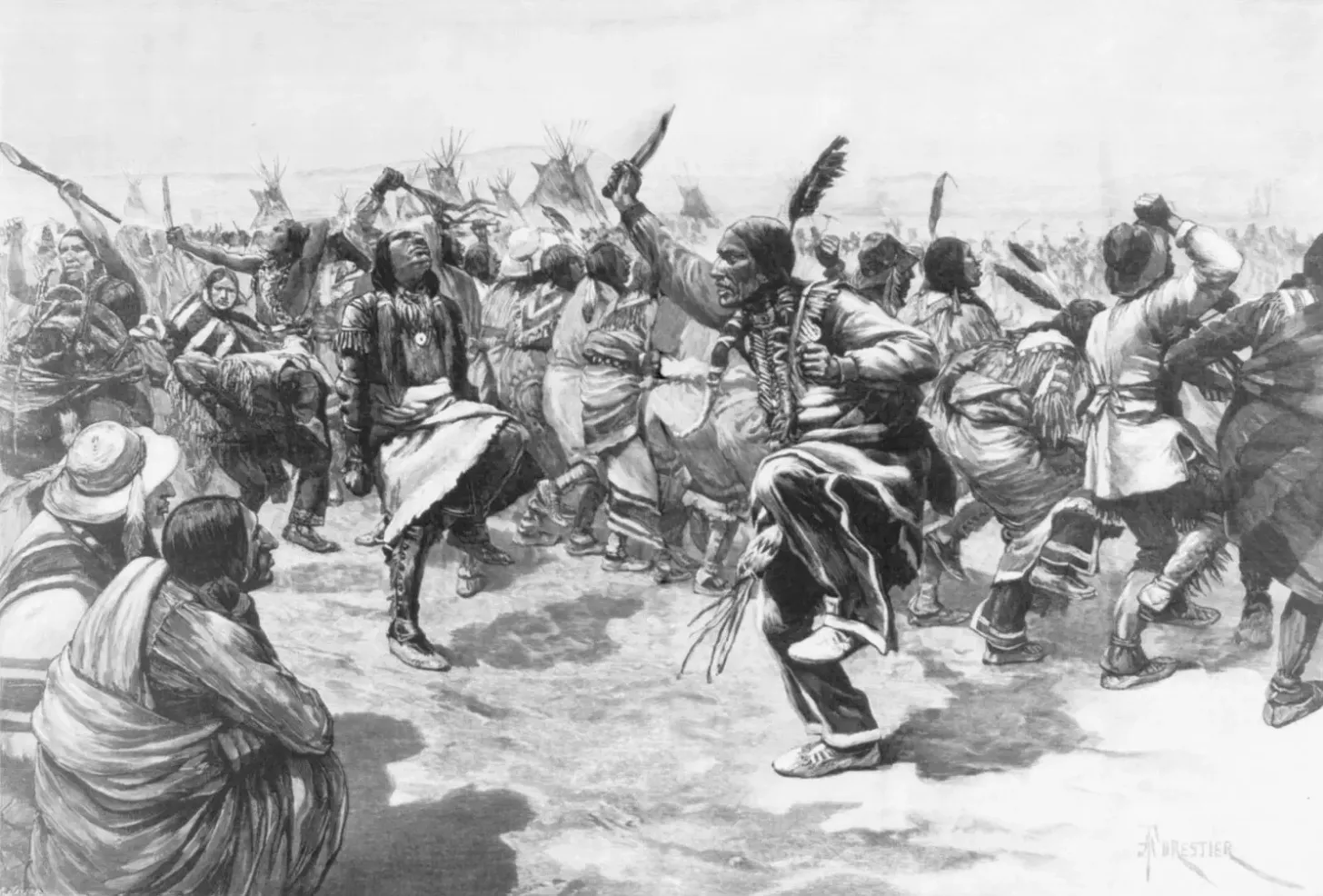
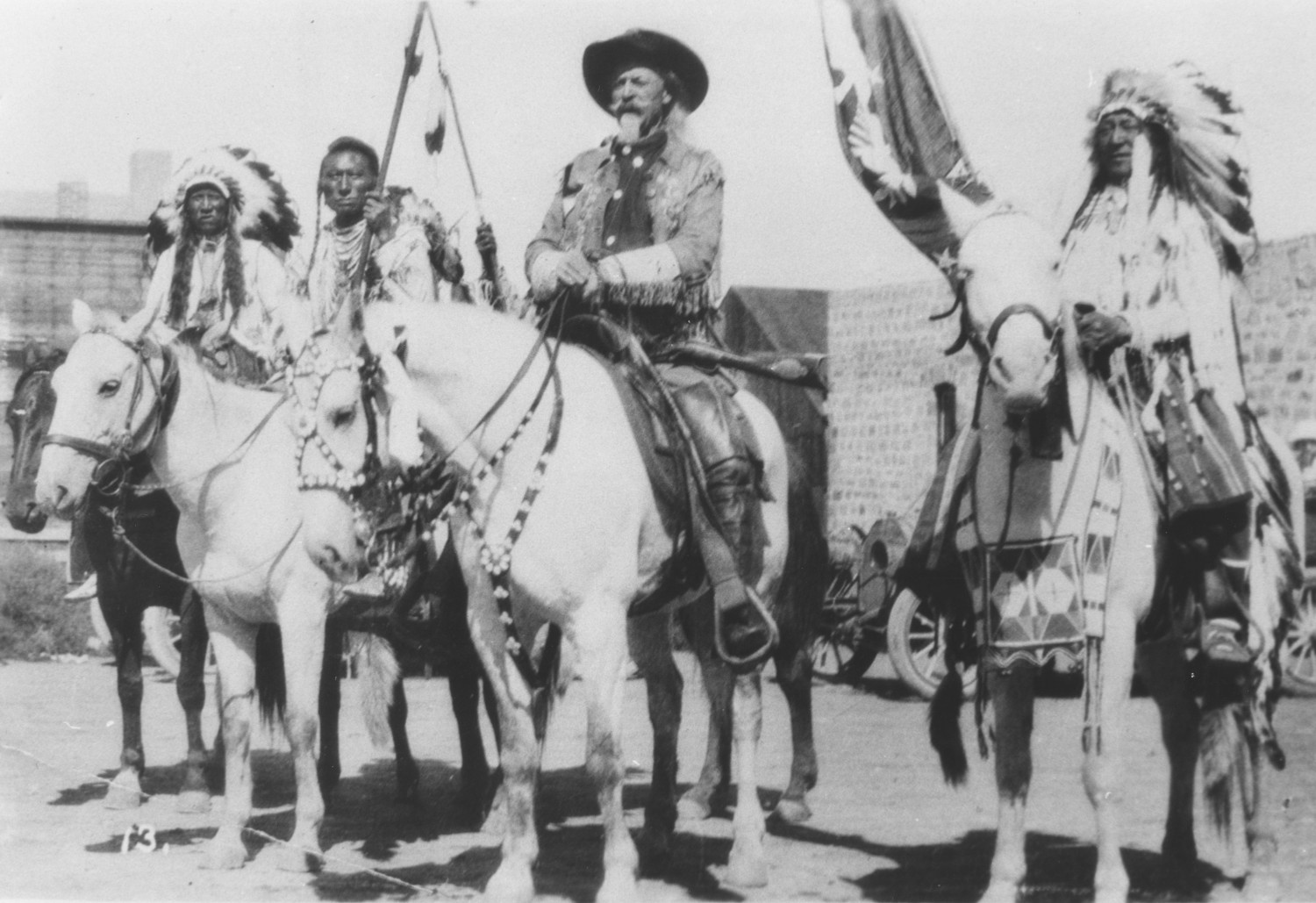
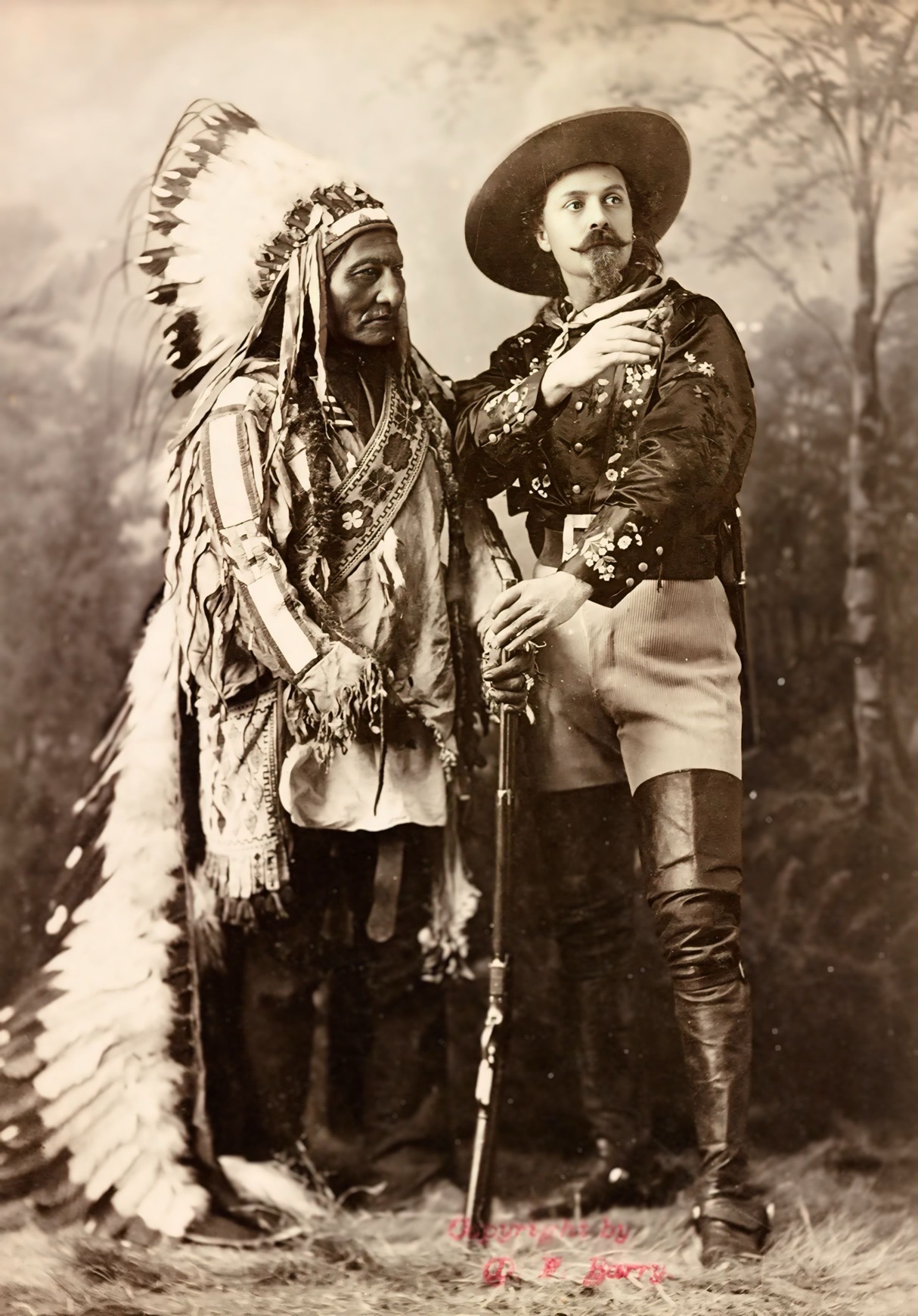
As the Ghost Dance spread, tensions between the U.S. government and the Lakota escalated. General Nelson Miles believed that bloodshed could be avoided if Sitting Bull, the respected leader who had defeated Custer in 1876 and performed in Buffalo Bill’s Wild West in 1895, could be arrested. At a banquet in Chicago in late 1890, he asked Buffalo Bill if he would help “secure the person of Sitting Bull and deliver him to the nearest officer of U.S. troops.” Bill headed for South Dakota with two wagons full of gifts meant to ease Sitting Bull’s worries and to convince him to come with his old show partner.
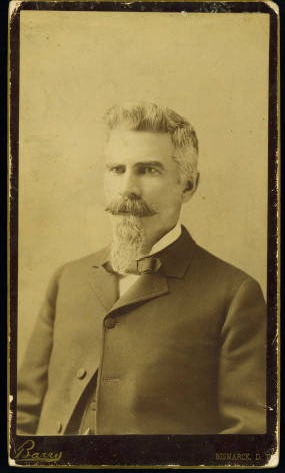
James McLaughlin, the Indian agent assigned to the Lakota by the Department of the Interior, was furious that the Department of War was sending someone to arrest Sitting Bull, and determined that the “honor” should be his. He sent a telegram to Washington, asking that General Miles’ orders for Bill to arrest Sitting Bull be rescinded. Meanwhile, McLaughlin convinced an officer at Fort Yates to ply Buffalo Bill with alcohol, and when Cody’s capacity for whiskey failed to sway him from his assignment, McLaughlin instructed two of his scouts to lie to Bill, telling him that Sitting Bull had already left camp and headed to the agency. By now, the telegram had reached the desk of President Benjamin Harrison, who wired to rescind the arrest order. Buffalo Bill left the reservation without seeing Sitting Bull.
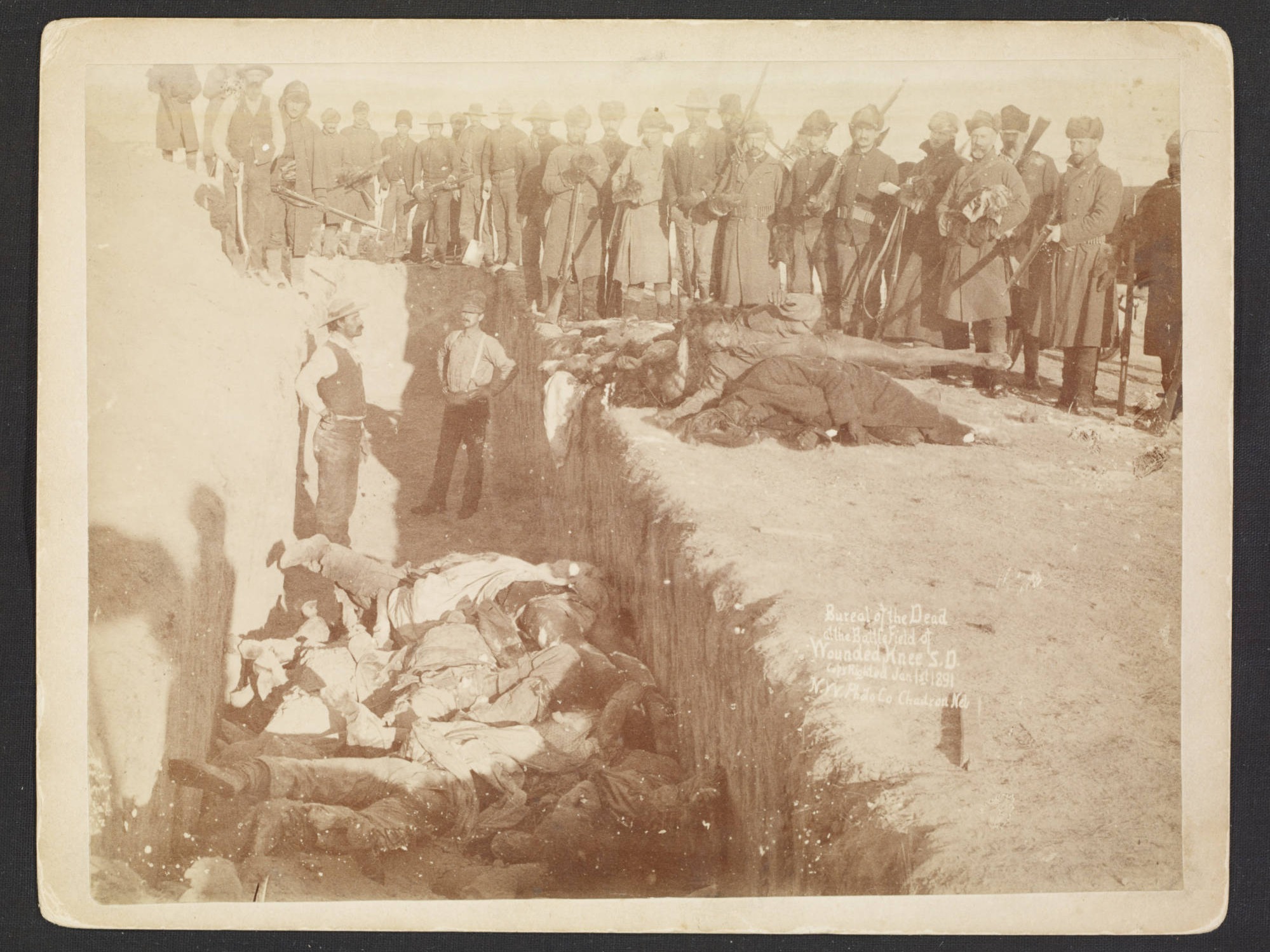
Two weeks later, on December 15, 1890, McLaughlin ordered 39 Indian agency policemen to surround the house of Sitting Bull, who had allowed Ghost Dancers to gather at his camp. When Sitting Bull refused to comply with their demands that he come with them, he was shot, twice in the chest and once in the head. In the fighting that followed, eight policemen were killed , as were Sitting Bull and seven of his followers. Later that month, on December 29th, a band of Miniconjou Lakota led by Chief Big Foot was intercepted by U.S. troops near Wounded Knee Creek in South Dakota. What exactly transpired remains a topic of debate, but a shot was fired, which quickly led to chaos. The U.S. Army's 7th Cavalry opened fire on the Lakota, including women and children. When the shooting ceased, more than 150 Lakota had been killed, with some estimates placing the number closer to 300.
The Sioux leaders of the Ghost Dance movement were imprisoned at Fort Sheridan, and the commissioner of Indian affairs announced that no more Indians would be allowed to participate in show business. But General Miles, remembering Bill’s willingness to talk to Sitting Bull, offered another solution. With the support of Nebraska’s congressional delegation, Buffalo Bill was given permission to take the Lakota prisoners with him to Europe. When he was released from prison, Kicking Bear, a Lakota chief and first cousin to Crazy Horse, told Buffalo Bill, “For six weeks I have been a dead man. Now that I see you, I am alive again.”
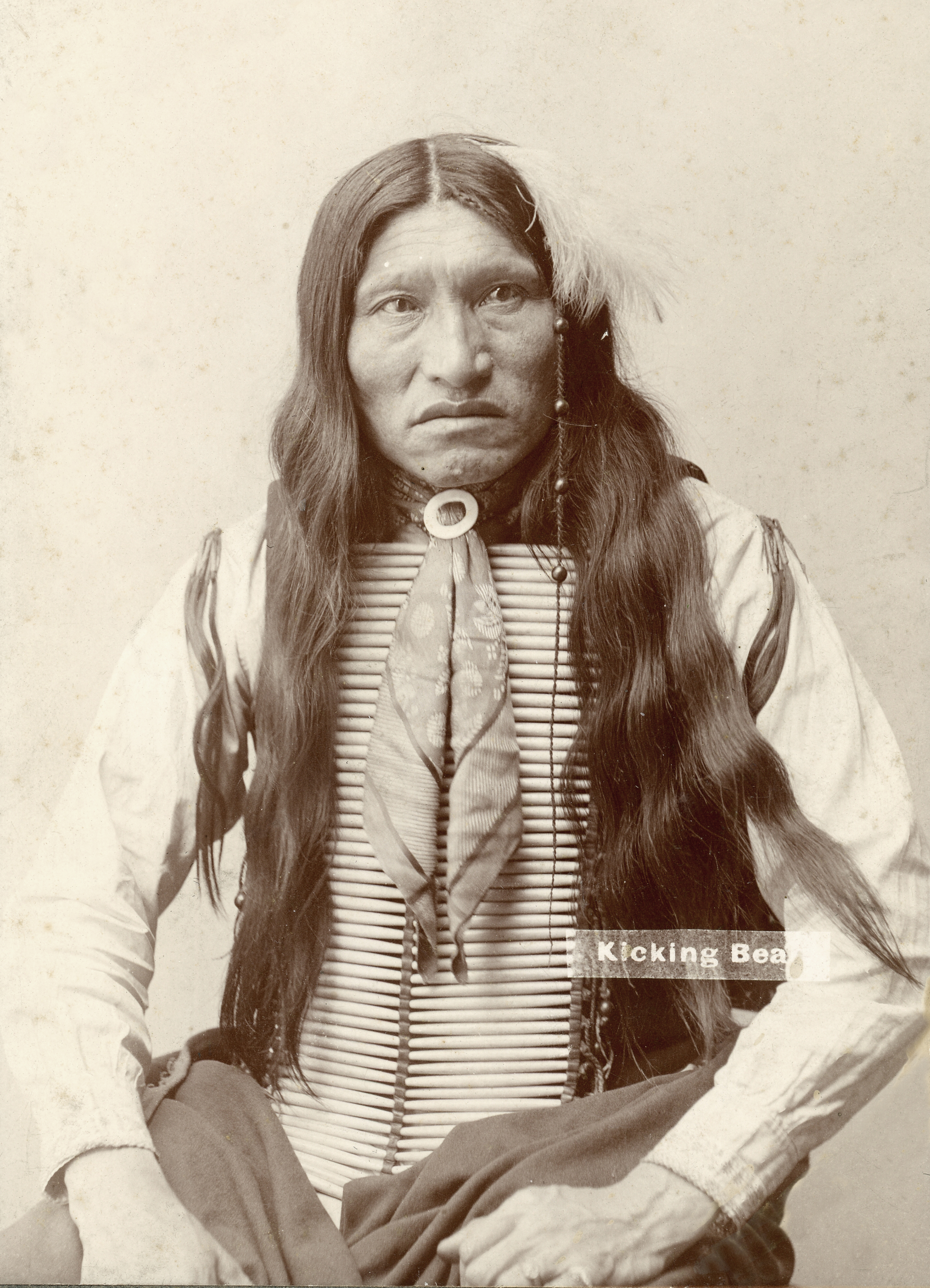
Twenty-three imprisoned Lakota joined seventy-five other Sioux when the Wild West sailed for Antwerp in April of 1891.
Texas Jack: America's First Cowboy Star is available at: