The Cowboy, The Wizard, and the Eclipse of 1878
Echoes of the Past: Edison, Texas Jack, and the Great American Eclipse of 1878—A Tale of Celestial Wonder, Historical Adventure, and Scientific Pursuit on the Frontier
America on the brink of witnessing a celestial event so rare and mesmerizing that people from all corners of the country scramble to find a vantage point. Eclipse glasses? Sold out. Hotels in the path of totality? Booked solid for months. Scientists and starry-eyed dreamers alike count down the moments until the moon dares to dance in front of the sun, revealing the elusive solar corona in a display of cosmic ballet. This isn’t just happening today, April 8, 2024—history was writing a similar story nearly 150 years ago, on July 29, 1878.
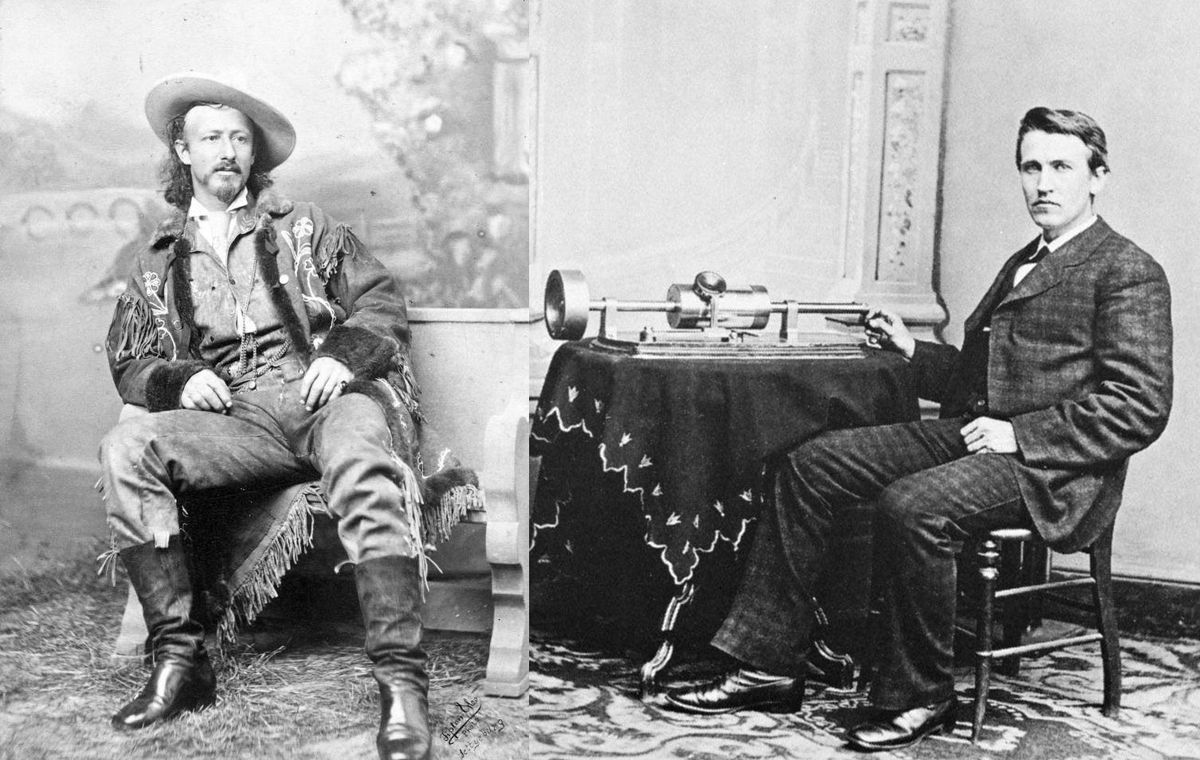
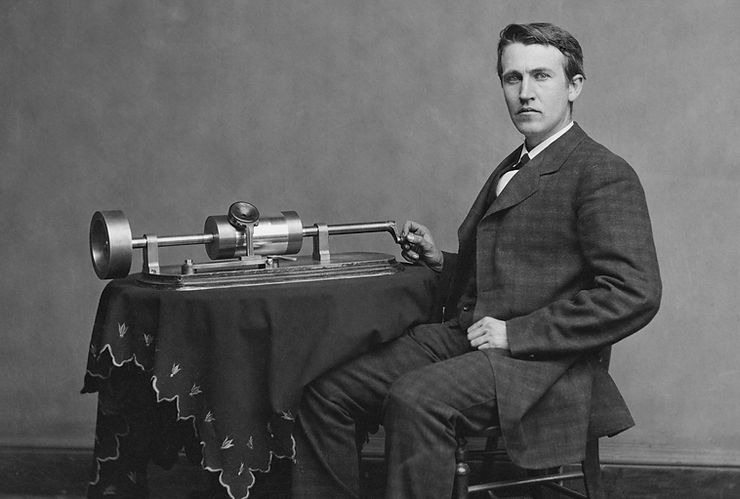
Amidst the throng of eager young scientists, journalists, and adventurers streaming westward to get a good view of the 1878 eclipse, slicing southeast across the United States from Montana to Texas, was none other than Thomas Alva Edison. Already nationally famous for a string of inventions, it was his phonograph that crowned him "The Wizard of Menlo Park." But in the days before the 1878 solar eclipse, Edison was chasing the sun's secrets with his newest invention, the tasimeter, hoping to unveil the mysteries of the solar corona's temperature alongside astronomer Henry Draper in Rawlins, Wyoming.
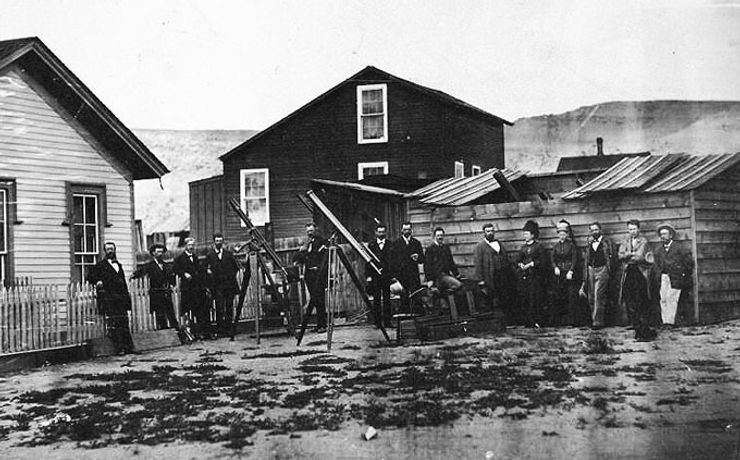
Rawlins, a bustling rail hub situated directly in the eclipse's shadow, became the epicenter of American scientific curiosity in July of 1878. Stage lines from Rawlins led north towards Lander and south into Colorado. As a rail hub located directly in the path of totality, Rawlins became the center of the American scientific world in the weeks before the eclipse.
It was also the staging ground for the legendary Texas Jack, a cowboy, scout, and stage actor as enigmatic as the frontier he roamed. Jack, fresh from a series of sharpshooting exhibitions, was gearing up to guide German Count Otto Franc von Lichtenstein on a wild trek across Wyoming's untamed landscapes.
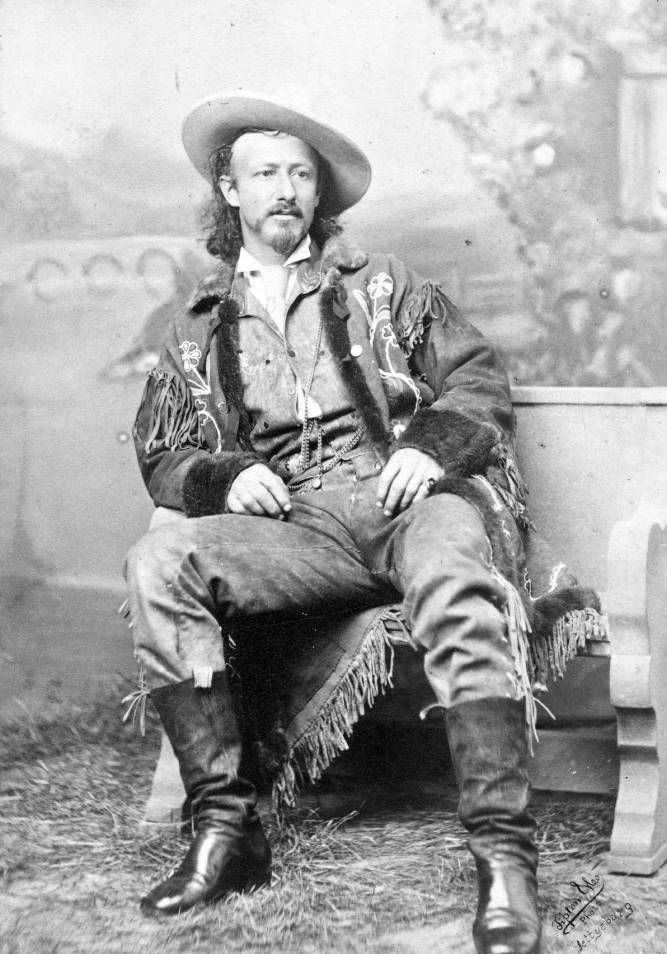
Here is Thomas Edison's account of his encounter with America's first cowboy star:
"The hotel in Rawlins was a very small one, and by doubling up, we were barely accommodated. My roommate was Fox, the correspondent of the New York Herald. After we retired and were asleep, a thundering knock on the door awakened us.
Upon opening the door, a tall, handsome man with flowing hair dressed in Western style entered the room. His eyes were bloodshot, and he was somewhat inebriated.
He introduced himself as `Texas Jack’ Omohundro and said he wanted to see Edison, as he had read about me in the newspapers.
Both Fox and I were rather scared, and didn’t know what was to be the result of the interview. The landlord requested him not to make so much noise, and was thrown out into the hall.
Jack explained that he had just come in with a party which had been hunting, and that he felt fine. He explained, also, that he was the boss pistol-shot of the West; that it was he who taught the celebrated Doctor Carver how to shoot.
Then suddenly pointing to a weather-vane on the freight depot, he pulled out a Colt revolver and fired through the window, hitting the vane.
The shot awakened all the people, and they rushed in to see who was killed. It was only after I told him I was tired and would see him in the morning that he left.
Both Fox and I were so nervous we didn’t sleep any that night. We were told in the morning that Jack was a pretty good fellow, and was not one of the `bad men,’ of whom they had a good supply.”
Edison and Fox tried to find Texas Jack now that they had been assured by locals that he was a "pretty good fellow," but Jack had already set out to start his trek, and Edison missed his chance to talk with a genuine cowboy hero. People in Rawlins will tell you that after the tasimeter failed to measure the temperature of the sun's corona, Edison decided to visit a local fishing hole. It was while holding his bamboo fishing pole that he first hit upon the idea of using bamboo filament in incandescent light bulbs.
Count Otto Franc recorded in his journal that he and Jack spent the morning of eclipse trout fishing in what is now the Medicine Bow National Forest near the Colorado border.
“We caught some trout and went back to camp,” Franc wrote, “and while cooking the fish, the Eclipse sets in, and we have a very good view of it. Jack calls it a damned humbug and put-up job, because our tent and blankets caught fire while we were looking at the sun. We lost a blanket, burned holes in the tent and some blankets, and besides burned our hands in trying to extinguish it."
Texas Jack: America’s First Cowboy Star is available at:
https://amzn.to/3TOTFZk