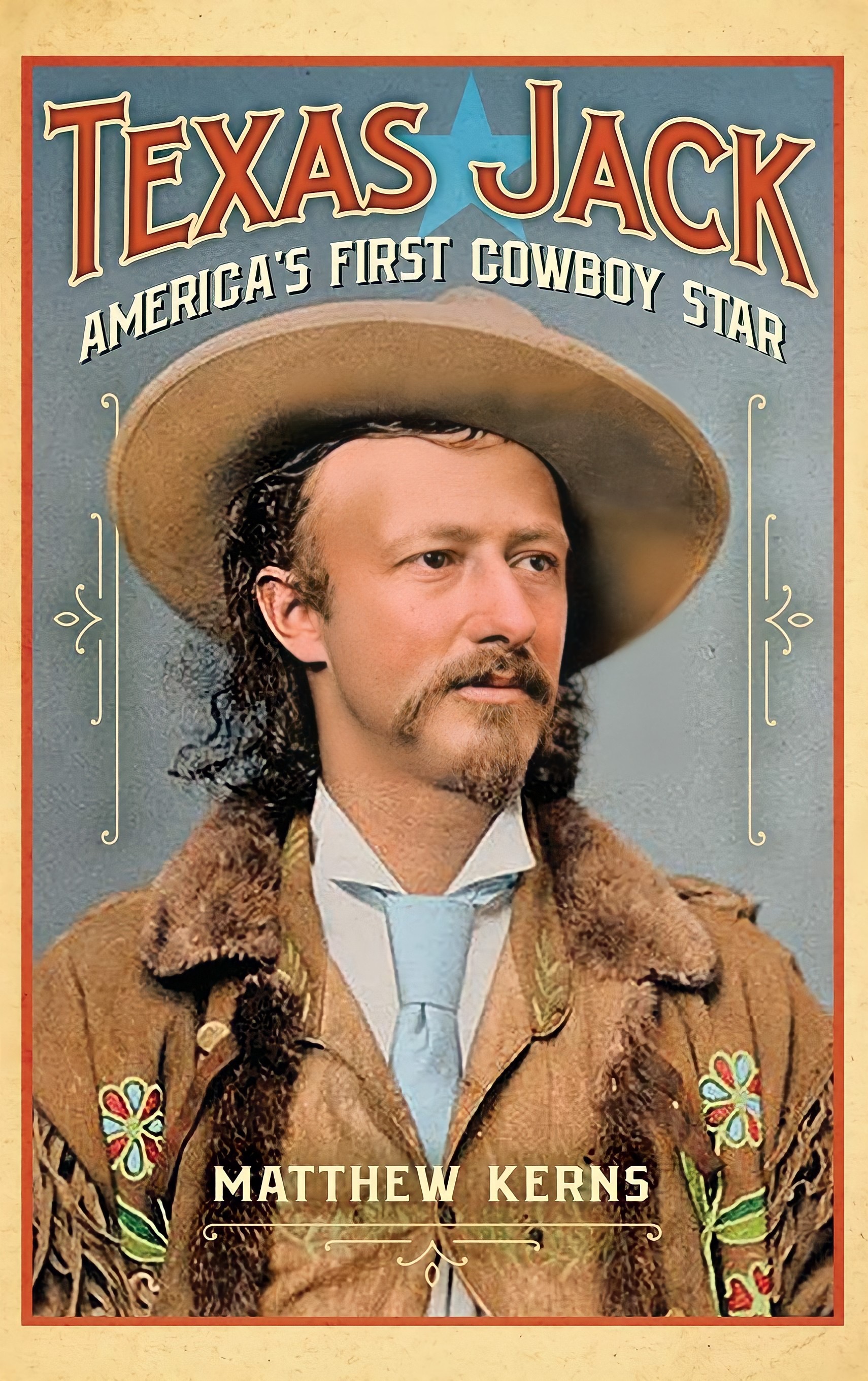
The First Western
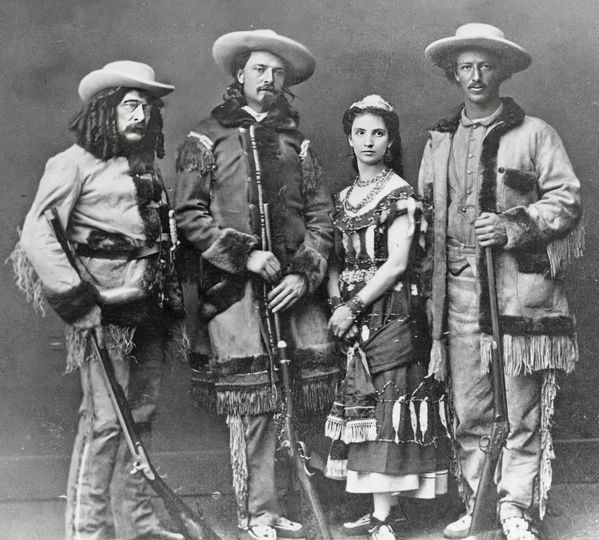
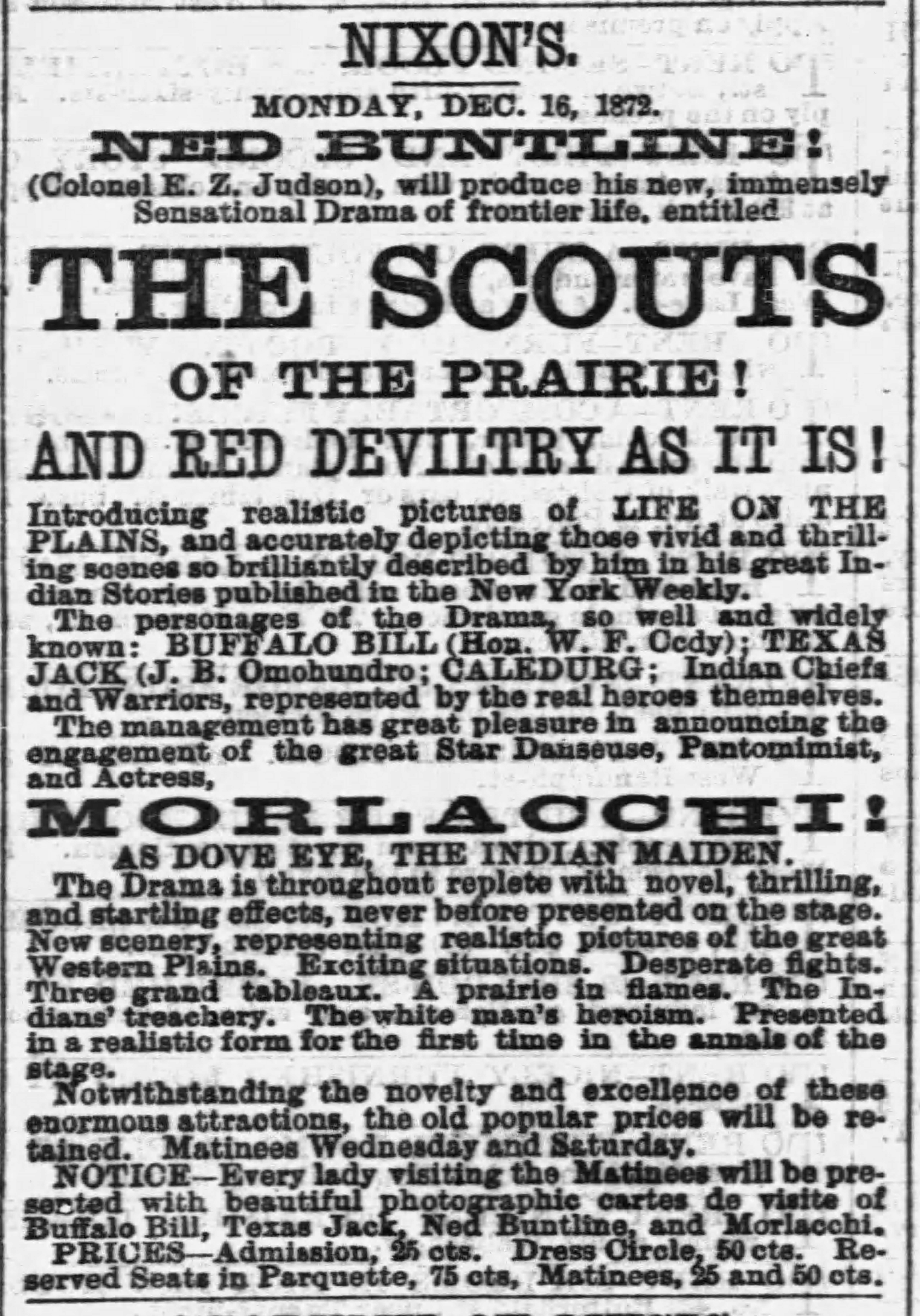
The Scouts of the Prairie, starring Buffalo Bill, Texas Jack, Ned Buntline, and Giuseppina Morlacchi premiered on December 16, 1872.
On December 16, in the cold winter of 1872, Chicago's Nixon's Amphitheatre, a humble structure of canvas and wood, stood on the cusp of a cultural revolution. Within its walls, a standing-room-only audience, undeterred by the stark critic's warnings of the theater's physical limitations, gathered in anticipation. They were drawn not by the promise of luxury but by the allure of a new spectacle that would soon define an era.
On this pivotal evening, after an entrancing performance by a renowned Italian ballerina, a hush fell over the crowd as the footlights brightened. A lone figure, rifle in hand, stepped onto the stage, immediately commanding the attention and applause of the entire assembly. This was the famous dime novelist Ned Buntline, playing a mountain man, a character from a world yet unknown to the patrons. He spoke of unseen enemies and anticipated allies until his narrative was abruptly interrupted by an unexpected intrusion from the audience.
The interruption, however, quickly transformed into a theatrical spectacle. A drunk from the audience sauntered onto the stage, holding out a bottle of whiskey as an offering to Buntline. Ned, embodying the rugged spirit of his character, hurled the intruder into the orchestra, shattering lights and drawing a boundary between the world of the audience and the unfolding drama. This act, met with thunderous applause, marked the beginning of an unprecedented journey into the Wild West, as imagined by Ned Buntline in his play, "The Scouts of the Prairie, and Red Deviltry as It Is!"
Amidst this charged atmosphere, two more figures joined the protagonist on stage, clad in fur-lined buckskins, standing against a backdrop that whispered of untamed forests. The central figure, a young, striking man known as William "Buffalo Bill" Cody, faced the crowd, his nerves betraying him in the silence. It was only broken by the seasoned voice of Buntline, sparking the narrative into motion with a simple inquiry about buffalo hunting.
This exchange, personal and humorous, connected Cody to the audience, particularly to one Mr. Milligan, a local figure whose comical escapade on a buffalo hunt with Cody was well-known. This personal touch ignited the crowd's enthusiasm, transforming the stage into a realm where reality and fiction blurred.
As Cody recounted his adventures, the audience hung on his every word, captivated by the man who had already become a legend in dime novels. Beside him stood Ned Buntline, the architect of these tales, and another man, destined by a tragic death to be overshadowed by Cody's lasting fame.
The performance escalated with a dramatic portrayal of a Native American attack, executed with theatrical flair. Gunshots, war-whoops, and the visual spectacle of combat enthralled the audience, culminating in a standing ovation. This moment marked the transformation of Buffalo Bill from a mere mortal to a cultural icon. His wife Louisa wrote that “He was back at home now, with Texas Jack at his side, pulling the triggers of his six-shooter until the stage was filled with smoke, and until the hammers only clicked on exploded cartridges. They yelled. They shouted. They roared and banged away…”
Sharing the limelight was Texas Jack, born John B. Omohundro, whose legacy, though dimmed by time, played a pivotal role in shaping the archetype of the Western hero. A cowboy in both life and art, Omohundro's persona was essential to the myth of the American West, a legacy later immortalized in literature and film by figures like Zane Grey, Louis L’Amour, and John Wayne.
That night at Nixon's Amphitheatre, the audience witnessed more than a play. They became part of a historical moment, the birth of the Western genre, a narrative that would capture the imagination of generations. In this canvas-walled theater, Buffalo Bill, Texas Jack, Ned Buntline, and Giuseppina Morlacchi not only performed a play but also launched an enduring American classic, forever changing the landscape of popular culture.
_______________________
Texas Jack: America's First Cowboy Star is available at: https://amzn.to/3RowR17