The Election (of 1872)
A Confederate Cowboy's Conundrum.
Did you go vote?
The last election Texas Jack could vote in before he left the prairies of Nebraska for the stages of the east with his best friend and partner Buffalo Bill Cody must have posed a serious dilemma for the Virginia boy turned Texas cowboy.
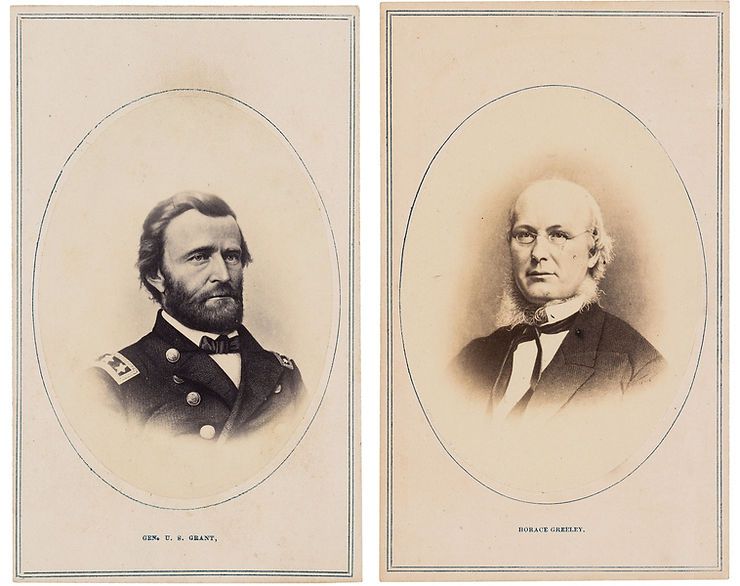
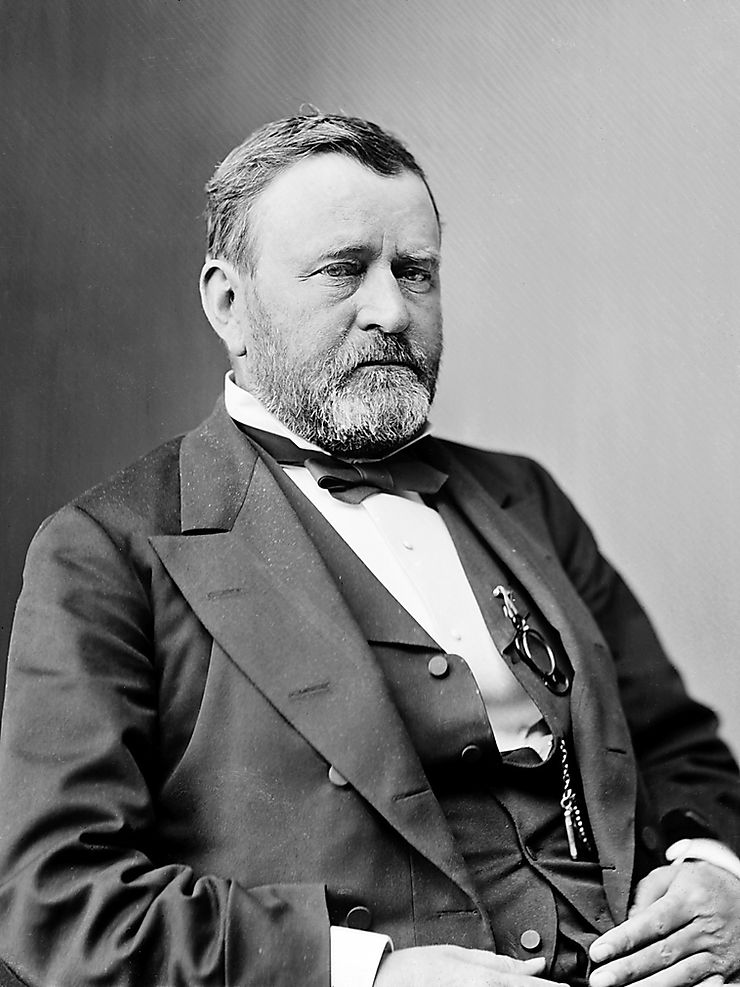
The Republican nominee was the man who had defeated Jack's commanding officer Robert E. Lee in the Virginia woods of Jack's youth, Ulysses S. Grant. Omohundro had been there at Appomattox Courthouse that day when Lee surrendered, cutting through Union lines to make it back home to his family in Palmyra, less than sixty miles northeast. Like many southern men, Omohundro was likely a die-hard Democrat, making a possible exception to vote for his friend Buffalo Bill as a Republican member of the Nebraska legislature.
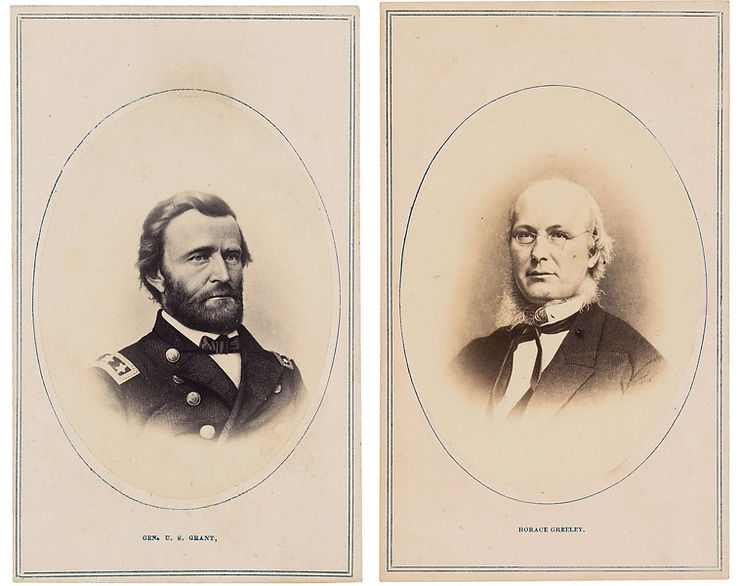
But the Democrats didn't field a candidate in the Presidential election of 1872. Instead, they threw their weight behind the Liberal Republican ticket of Horace Greely and Missouri Governor Benjamin Brown. Of course, there were some serious problems with Greely as a candidate. Horace Greely, famous for his advice to young men like Jack Omohundro after the Civil War to "Go West, young man, go West and grow up with the country," had turned out to be an ineffective campaigner. Also, there was the small stumbling block that after citizens voted on November 5, 1872, but before the votes were counted and the electoral college had voted, Horace Greely died.
In the days before television, the 24-hour news cycle, near-instant vote tabulation, and social media election frenzy, it took nearly a month after Greely's death and the casting of ballots for all of the votes to be counted and reported. For the 1872 election, Congress didn't officially count electoral votes until February 2nd, 1873. Greely had died on November 29th, well before any electoral votes could be cast for him. His electors split their votes for his running mate, as well as for three men who hadn't even participated in the election. President Grant won his second term in office, with an electoral margin of victory of 286-66 against all other candidates.
The presidential election of 1872 was historic in a few other ways. It was the last in which the state of Arkansas voted for a Republican until 1972. Alabama and Mississippi would not be carried by a Republican again until 1964 and they wouldn't vote against the Democrats until 1948. North Carolina and Virginia wouldn't vote Republican again until 1928. West Virginia, Delaware, and New Jersey wouldn't vote Republican again until 1896.
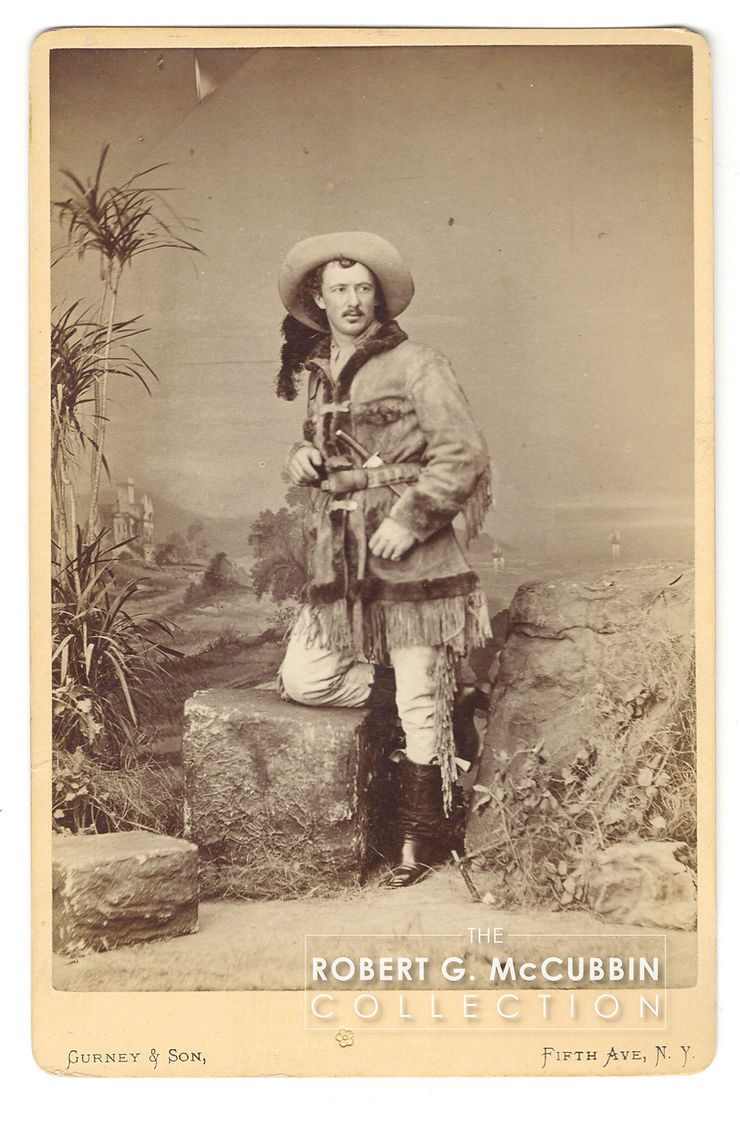
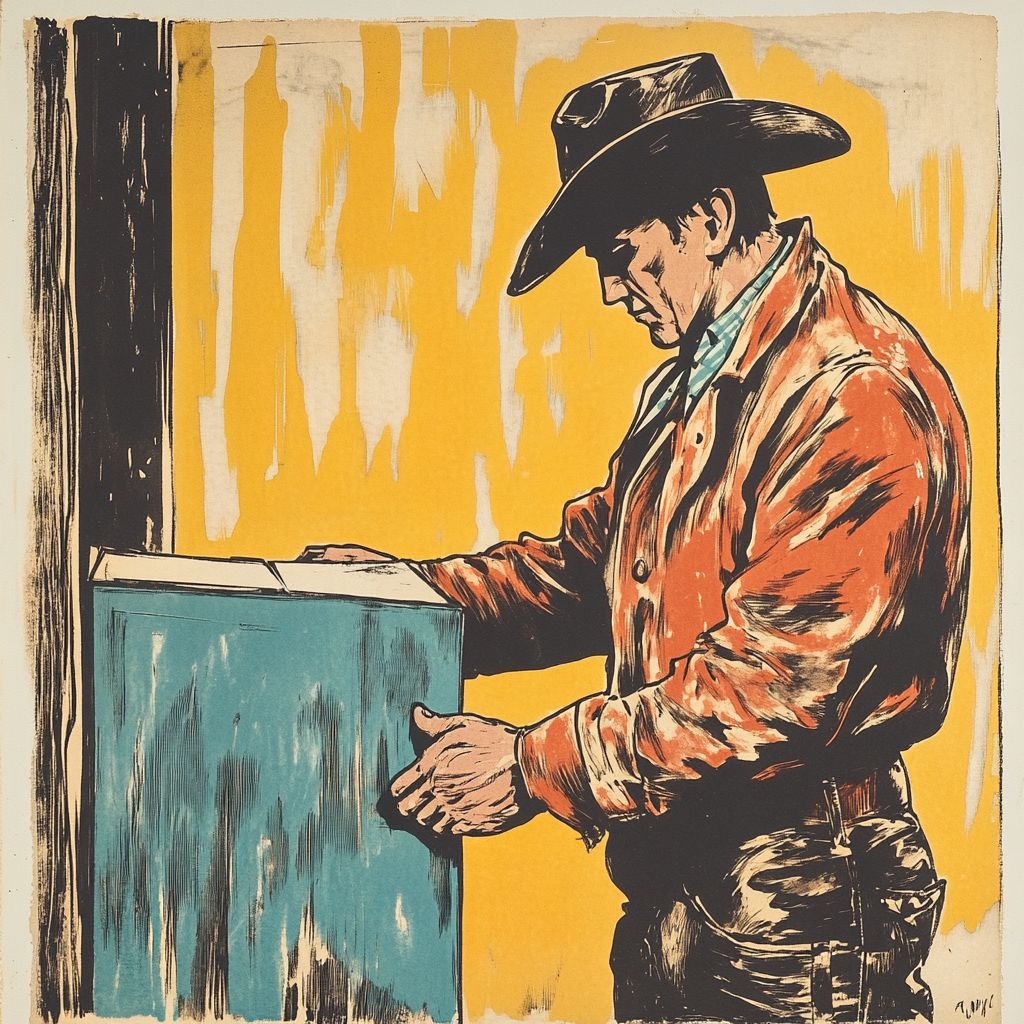
Between election day, November 5, 1872—when Texas Jack Omohundo stepped into a voting booth in North Platte, Nebraska, to choose between the General who had crushed Jack's own Army of Northern Virginia and a man who would die before the election was over—and the confirmation of the votes and swearing-in of President Grant for a second term on March 4, 1873, Texas Jack had enough time to decide with Buffalo Bill to become stage actors, make preparations to leave Nebraska behind, travel to Chicago, star in a stage play, perform that stage play in Chicago, St. Louis, Cincinnati, Louisville, Indianapolis, Toledo, Cleveland, Pittsburgh, Franklin, Oil City, Titusville, Buffalo, Syracuse, Rochester, Utica, Albany, Poughkeepsie, Troy, Pittsfield, Providence, Springfield, Hartford, and Boston. In that time, he met and fell in love with his lovely costar, Giuseppina Morlacchi. He introduced the lasso act to the stage. A dime novel about him—Texas Jack, the White King of the Pawnees—written by Ned Buntline was published in Smith & Street's New York Weekly.
Texas Jack’s world changed fast over the course of those four months, but he had no way to predict what would come for him as he voted that November day in 1872. His journey from Confederate soldier to celebrated cowboy and frontiersman, and finally to Eastern stage celebrity, mirrored the turbulent shifts happening across America. As he cast his ballot, he was one of countless men and women trying to make sense of a country still divided, still healing, and still searching for its future. For Jack, that November vote in North Platte was more than a choice between two flawed candidates—it was a way to stake his place in a new, uncertain America, where he was shaping his own life—and his own country—in real-time.
________________________________________
Author's Note:
I won't insult your intelligence by telling you who to vote for (though I am happy to discuss it with you if you message me), I would like to remind you to vote. If you aren't one of the millions of Americans who have already voted in this election, go to your polling place today, Tuesday, November 5th, and vote.
Regardless of your political affiliations and feelings about the current candidates, this election comes down to your vote. Generations of Americans have fought—against the British crown, against each other, against fascism and world powers, against unjust policies, and against prejudice and hatred, all to give you this moment to exercise your civic responsibility to make your voice heard.
So go vote for President, for your Senator, your representative to Congress, for your State government, and for a host of local candidates, ballot initiatives, and matters that will directly impact your life and your community.
If you don't know where to vote, check https://www.vote.org/polling-place-locator/
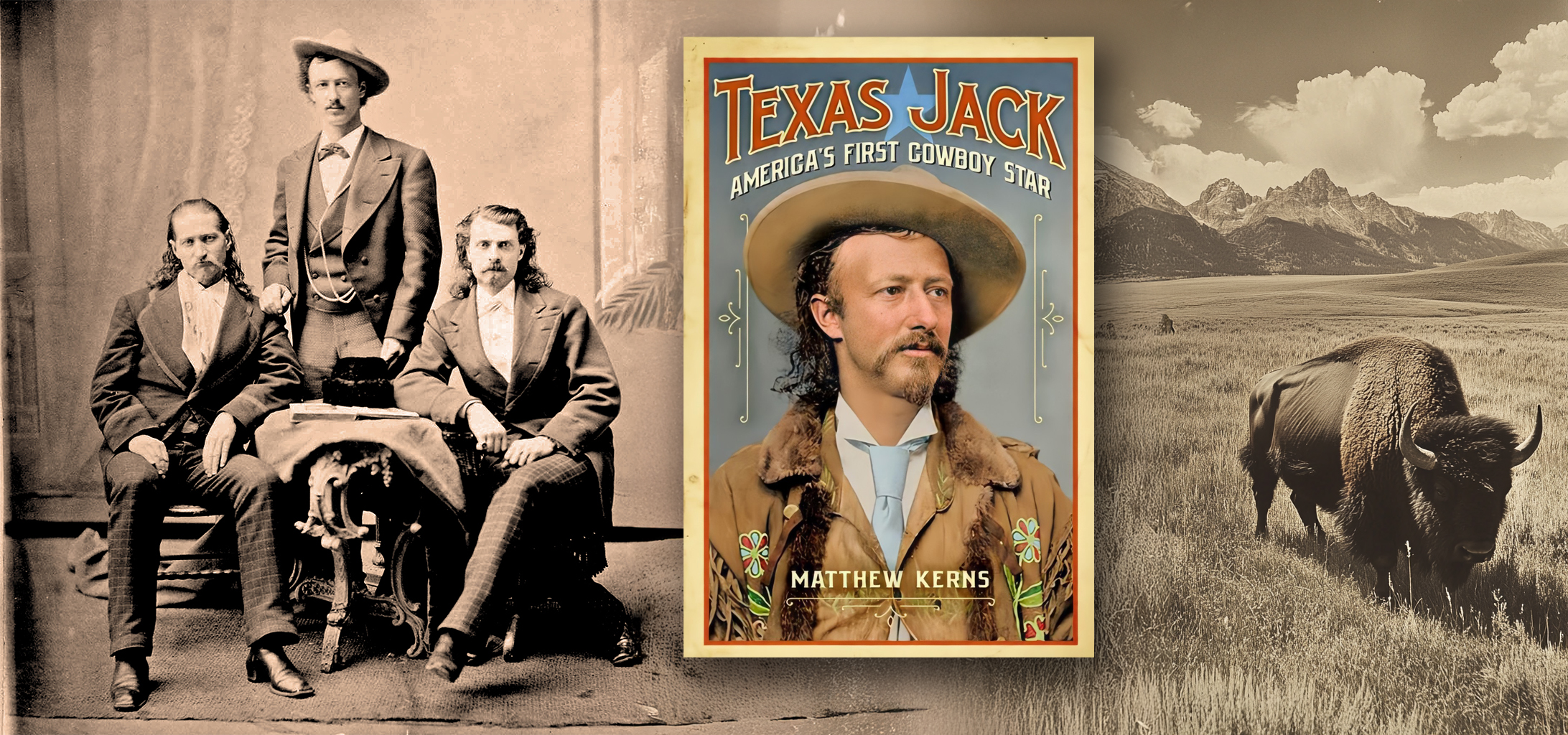
For more information about Texas Jack and the tumultuous era he lived in, from Civil War spy to Texas cowboy to "first-class star," pick up the book Texas Jack: America's First Cowboy Star.